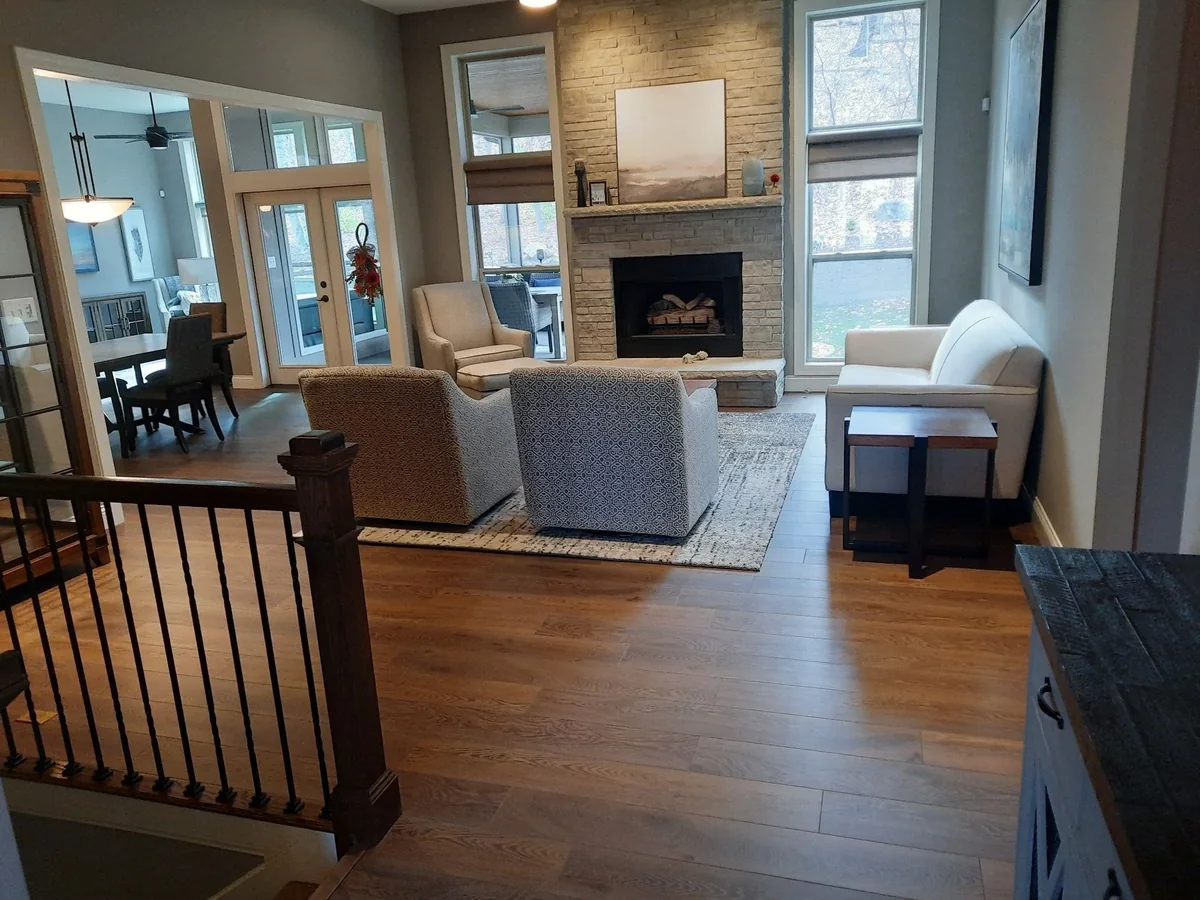
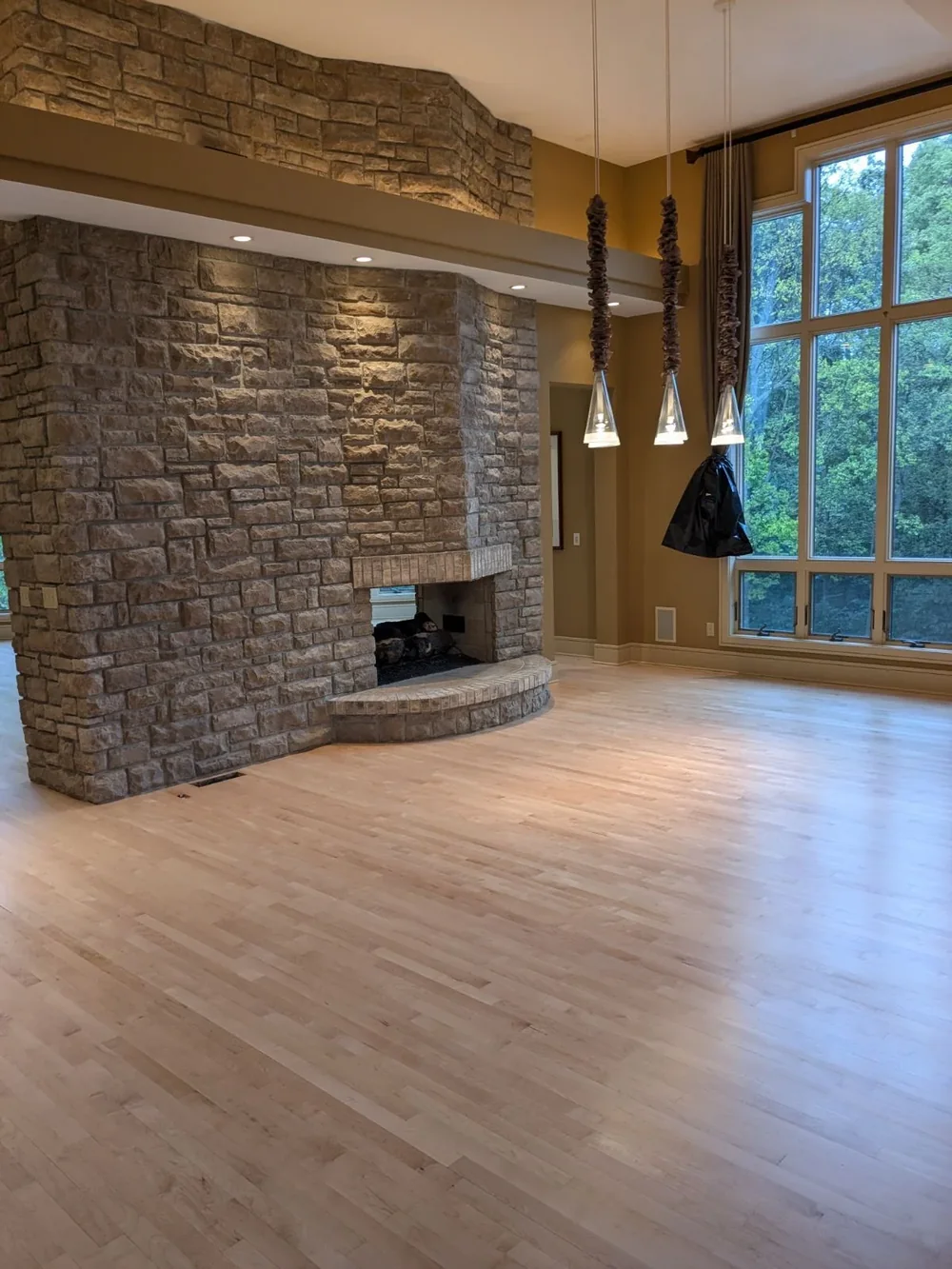
Water gets into St. Louis floors in a handful of predictable ways. Flash flooding along the Missouri and the Meramec. A sump pump that quits during a July storm. Wind and rain through a roof after a tornado warning that turned out to be real. A supply line that splits in a 5 degree January because the crawlspace was never insulated. However it happened, the next two days matter more than anything you will do in the next two months. Here is what to do, in order.
The First 48 Hours
Safety before flooring. If water is anywhere near outlets, the panel, or a gas appliance, kill the power to that area or have someone do it. If the water came from outside during a flood event, treat it as contaminated. River water and street water are not clean water, and that changes what can be saved.
- Stop the source. Shut the main off at the meter if it is a supply line.
- Photograph and video everything before you move a stick of furniture. Wide shots and close-ups, every room, including the water line on the wall.
- Get standing water out fast with a wet vac or a pump.
- Pull area rugs off wood floors immediately. They hold water against the boards and stain them.
- Get air moving and humidity down. Fans, a dehumidifier, and the AC running if it is summer.
- Do not lay plastic over a wet wood floor and do not blast heat at it. Fast drying on one side is how boards cup and split.
- Call your insurance carrier and open the claim the same day.
Call the Right People, in the Right Order
We will say this plainly because it saves everyone time: Veteran Flooring is a flooring company. We install, refinish, repair, and demo floors. We are not a water restoration company and we do not do mold remediation. On a real water loss, the first call is to a licensed restoration crew with commercial air movers, dehumidifiers and moisture meters, and your insurer often has a list of them.
Our part comes second, and it is a real part. Once the structure is dry, we come in, take readings, tell you honestly what is salvageable, price the flooring scope for your adjuster, and do the work. We have walked into jobs where mold turned up under the old flooring mid-project, and the answer was to stop, get the right people in, and pick back up when it was handled. That is the order it has to go in.
What Can Be Dried and Saved, and What Cannot
This surprises people: solid hardwood is often the most salvageable floor in the house. It is thick, it is real wood, and it can be dried slowly and then sanded flat. Cheaper manufactured products are usually the losses.
| Material | Odds of saving it | What usually happens |
|---|---|---|
| Solid hardwood | Good, if dried slowly | Dry for weeks, then sand and refinish at $3.50 - $6 per sq ft |
| Engineered hardwood | Mixed | Thin wear layer and glue lines often delaminate; usually replaced |
| Laminate | Poor | Fiberboard core swells and stays swollen; replace |
| Luxury vinyl plank | Often good | Plank is waterproof; may need lifting to dry the subfloor, then reinstall |
| Tile | Usually good | Tile survives; check for loose tiles and a wet subfloor beneath |
| Carpet | Depends on the water | Clean water and fast action, maybe. Pad is always replaced. Flood water, replace both |
Give hardwood time before anyone declares it dead. A floor that looks cupped and hopeless in week one often flattens out substantially by week four as the moisture equalizes. We take meter readings on a schedule instead of guessing. Sanding a floor that is still wet locks in the damage, because the raised edges get cut off and the boards crown when they finally dry. If the floor comes back flat, a refinish costs a fraction of a tear-out and you keep the original wood, which in a 1910s city home is worth keeping.
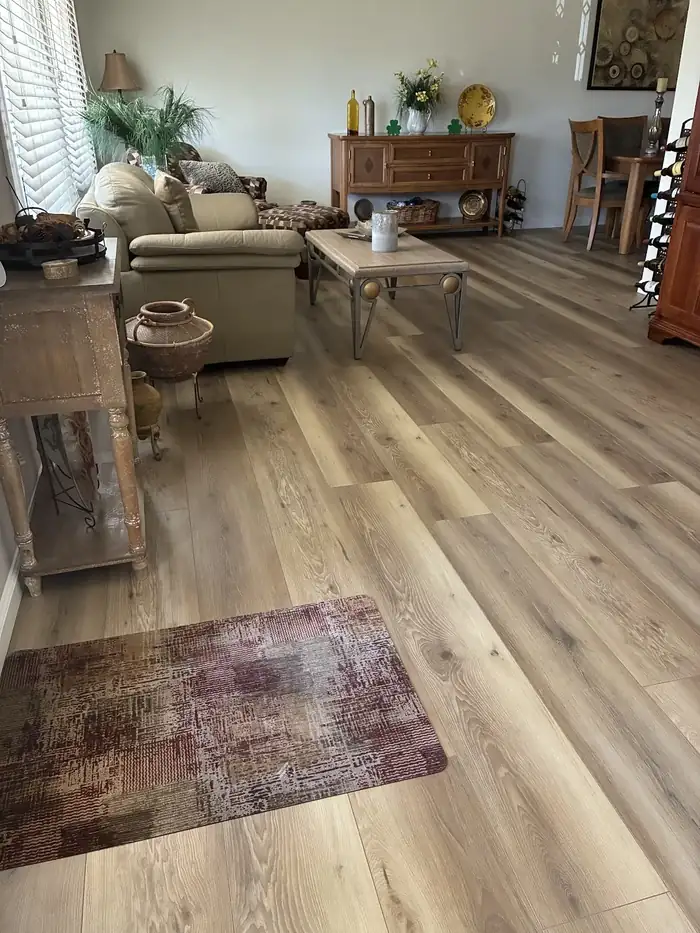
Working With Your Adjuster and the Restoration Crew
Insurance work goes smoother when the paperwork is boring and complete. Keep a folder. Photos with dates, the restoration company's drying logs and moisture readings, receipts for the fans and the dehumidifier you rented, and a written flooring scope from us. Adjusters approve what they can document.
Two things worth knowing. First, ask about continuous flooring. If the damaged room's floor runs uninterrupted into the hall and the dining room and cannot be matched, many policies address how much of that continuous area gets covered. Ask the question directly rather than assuming. Second, you get to choose your contractor. A preferred vendor list is a convenience, not a requirement. We will write the scope in the format your adjuster wants and talk to them directly if that helps.
One more piece of practical advice: do not let anyone haul the old flooring to the dumpster before it is documented and, if possible, before a sample is set aside. That sample is how a matching product gets identified later, and it is evidence for the claim.
The Subfloor Is the Real Job
New flooring over a compromised subfloor is money set on fire. Once the finish flooring is up, the deck underneath has to be dry and flat before anything goes back down. In older joisted homes across the city and the inner-ring suburbs, that means checking the plank or plywood subfloor for warping, delamination and soft spots, and sistering or replacing joists if the water sat long enough to matter. In slab homes, it means letting the concrete give up its moisture and testing it rather than trusting the calendar.
Typical subfloor work on a water job includes cutting out swollen or delaminated sheets, screwing down what stays so it stops squeaking, adding plywood underlayment where the old deck is uneven, and pouring self-leveler over low spots. On one tornado-damaged early-1900s condo we put down new plywood underlayment, installed LVP in the affected rooms, and refinished the original hardwood in the rest so the whole unit read as one home again. That is the shape most of these jobs take. Some of it gets replaced, some of it gets brought back. This is exactly what floor demolition and prep is for, and it is not the step to cut.
Dried out and ready to talk about putting floors back?
Request a free in-home estimateRebuilding: What Goes Back Down
Use the rebuild to fix the weakness that let this hurt so much. If a finished basement in St. Louis flooded and it had carpet or laminate down there, put in waterproof LVP, carpet tile, or tile instead. Carpet tile is underrated for lower levels, because you replace the wet squares instead of the whole room next time. On main floors, matching into surviving hardwood is very doable. We have blended new boards into an existing kitchen floor and refinished the whole run so the seam disappears, which beats a transition strip in a doorway every time.
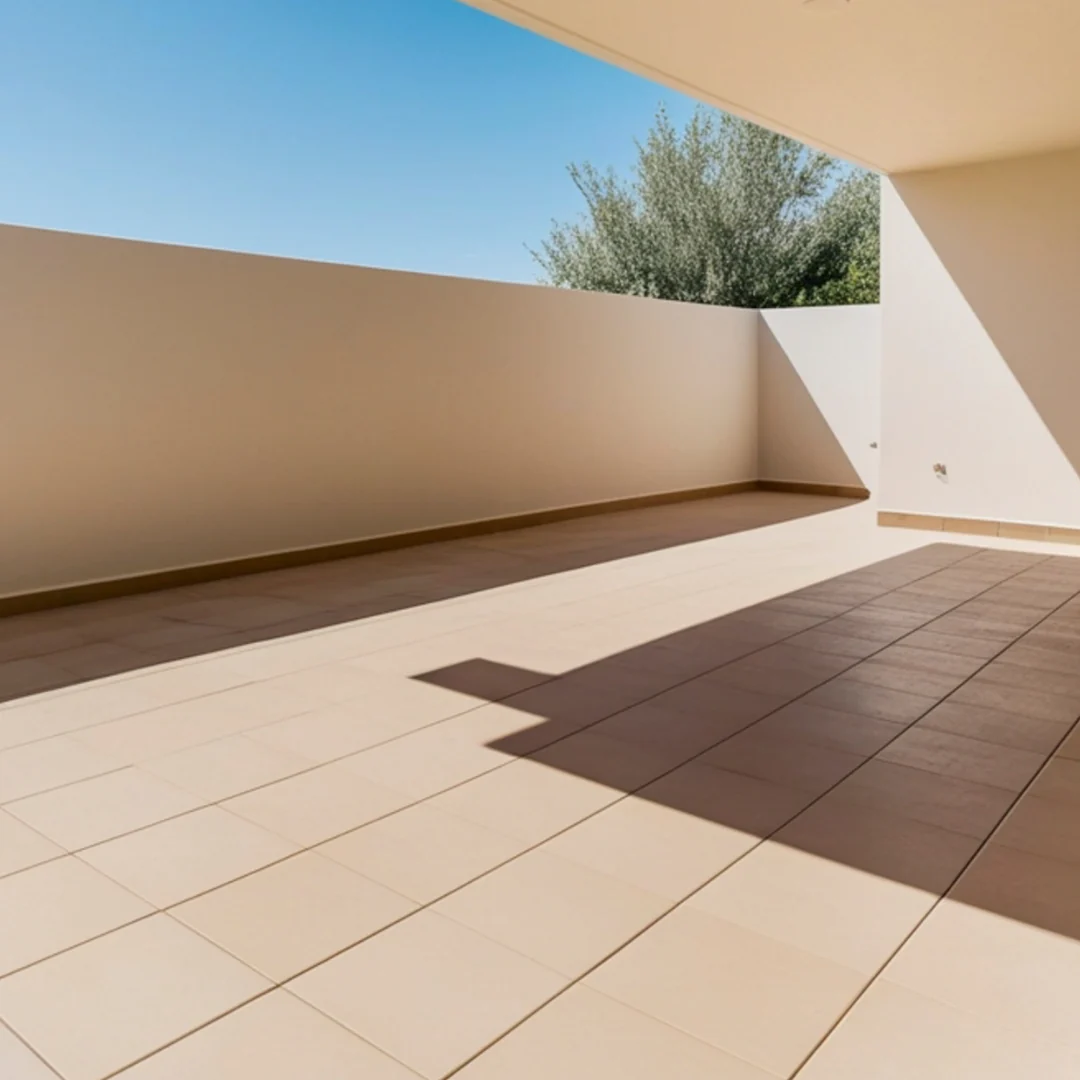
Small damage does not always need a full replacement either. A few ruined boards near a dishwasher can often be woven in as a floor repair and blended with the surrounding finish. We would rather do the small job well than sell you the big one.
When You Are Ready, Call Us
Water damage is a rotten week. The floor part of it does not have to be complicated. Once the restoration crew has your house dry, we will come out, take honest readings, tell you what is worth saving, and put a written number in front of you and your adjuster. Veteran-owned, based at 149 Weldon Pkwy in Maryland Heights, Monday through Friday 8 to 5. Call (314) 897-4383 or book a free in-home estimate and we will get your floors back. Your floor is our mission.